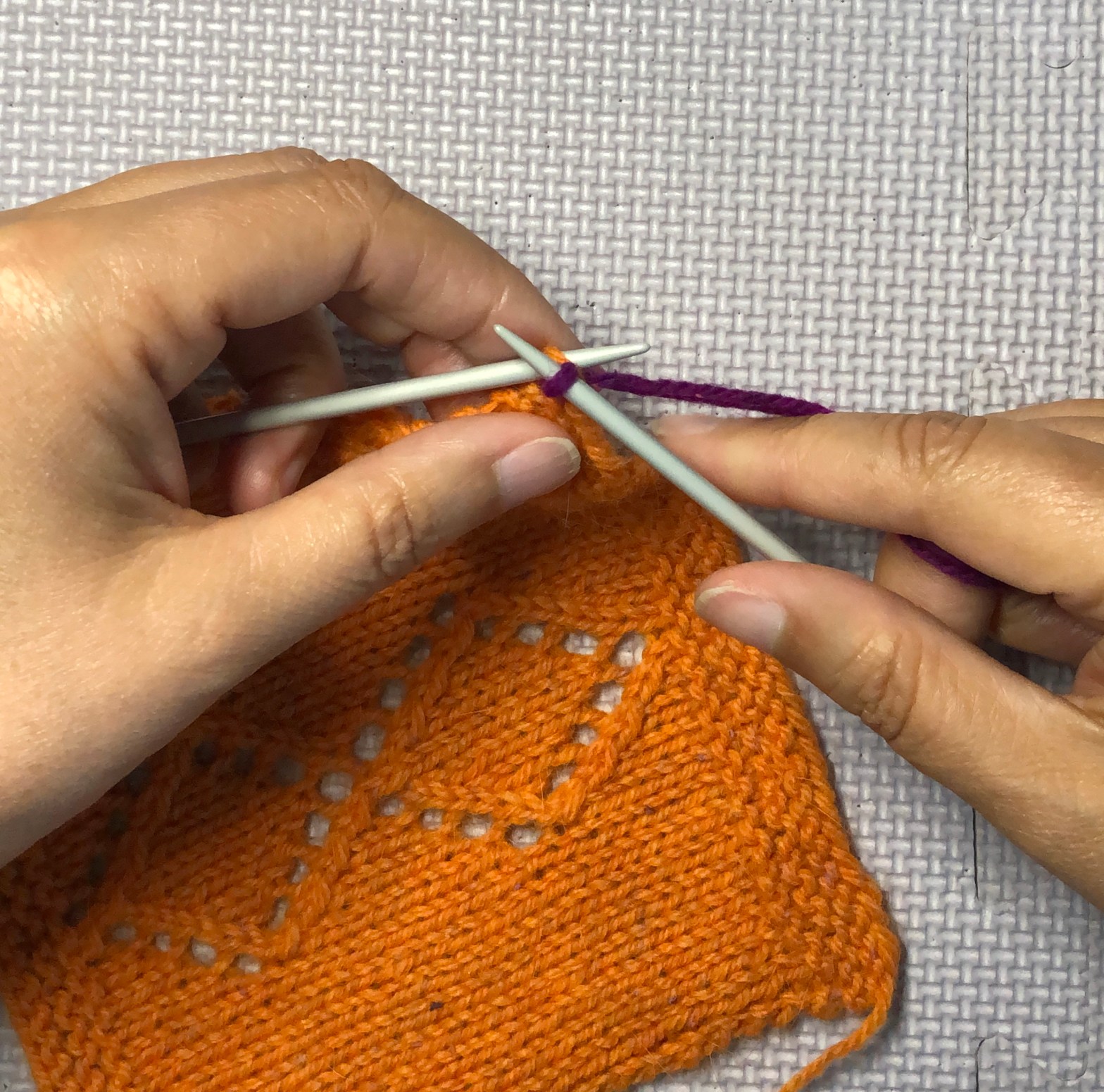


Pick Up and Knit (PUK) is an important skill to have in your skill project bag. I have used PUK innumerable times over the years. It is most commonly required for the button bands of cardigans and at the neckline for the collar. A PUK is used when you want to begin working perpendicularly to a set of stitches, like at the button placket of a cardigan. It can also be used extensively in modular knitting, such as in the Harlequin Swing Cardigan by Jane Slicer-Smith.

The Technique
The photos and video below demonstrate how I perform a PUK.
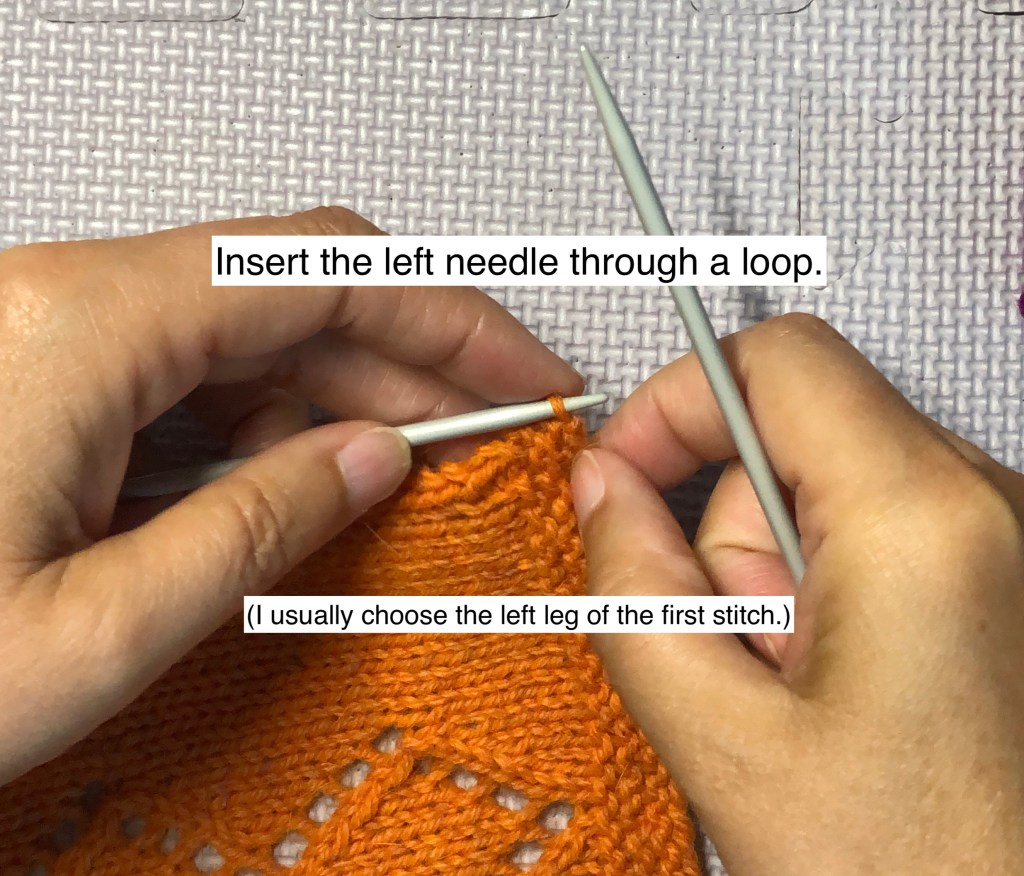
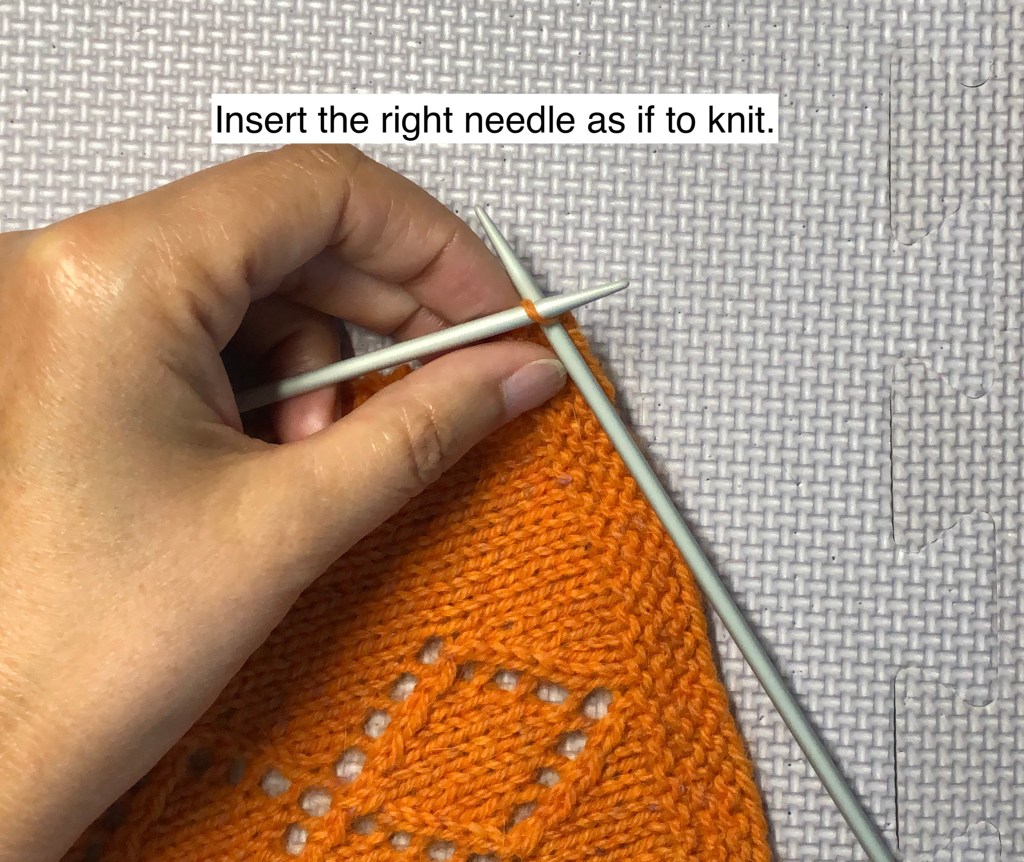
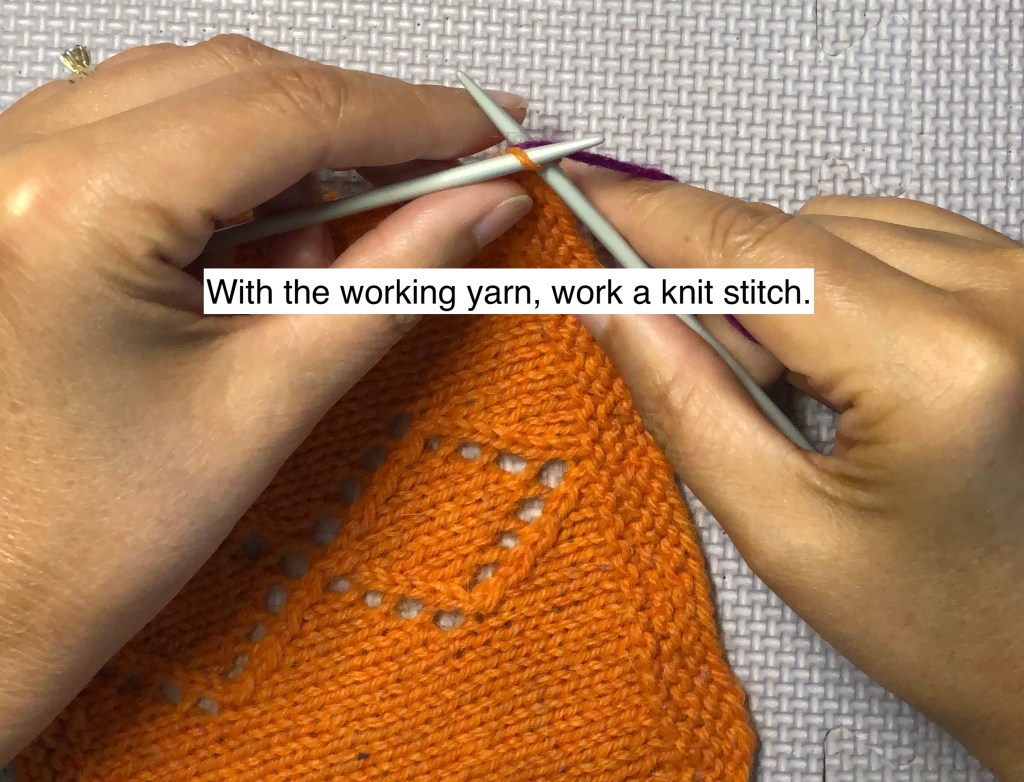

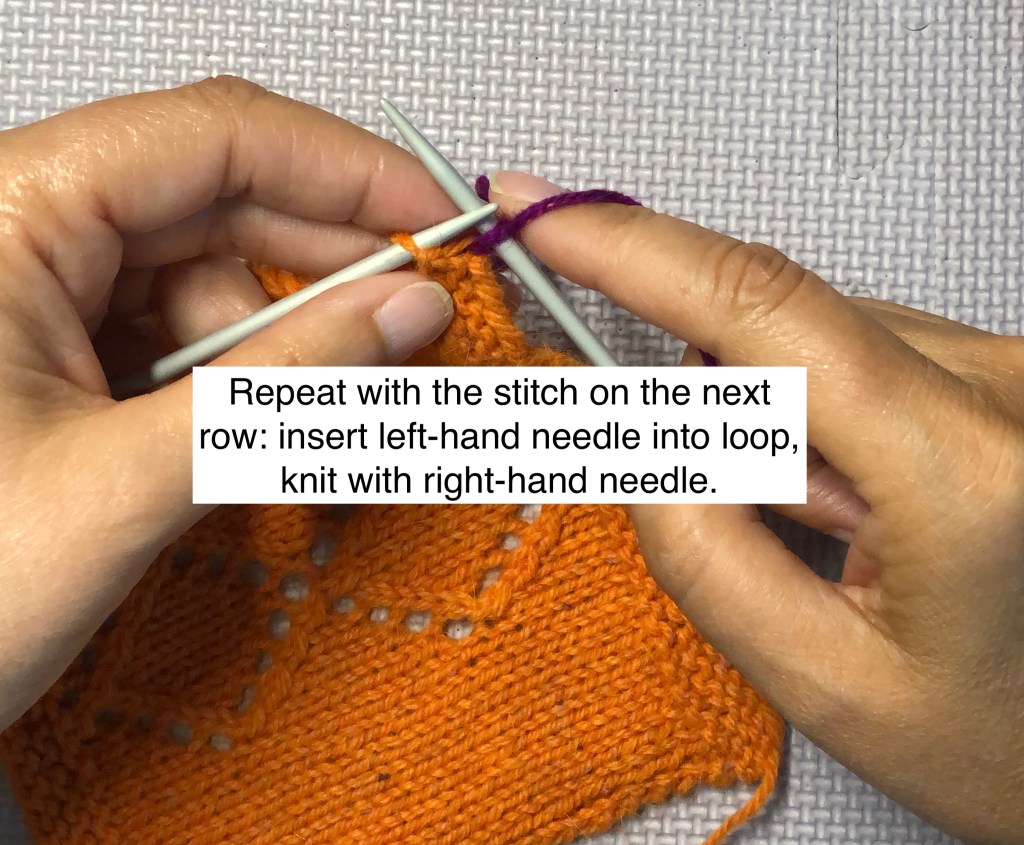
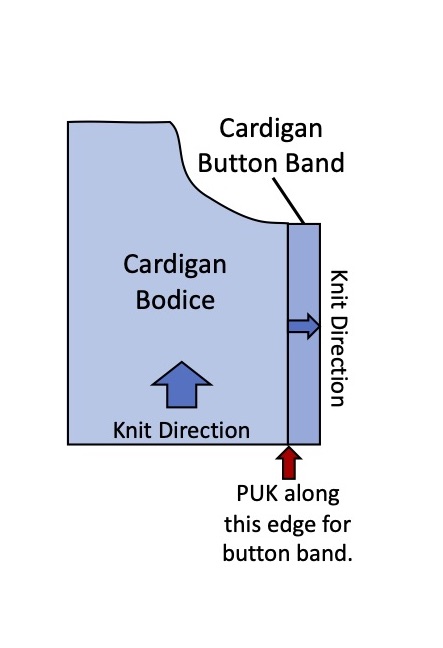
To pick up stitches for a button band on a cardigan, for example, I would first rotate the bodice 90o to the left (counter-clockwise) and begin picking up stitches on the right-hand corner. I insert the left-hand needle into the left leg of the first column of stitches and knit into this loop, forming the first stitch of the button band. I continue to pick up stitches in the left leg of the first stitch up the column of stitches up the edge of the bodice.
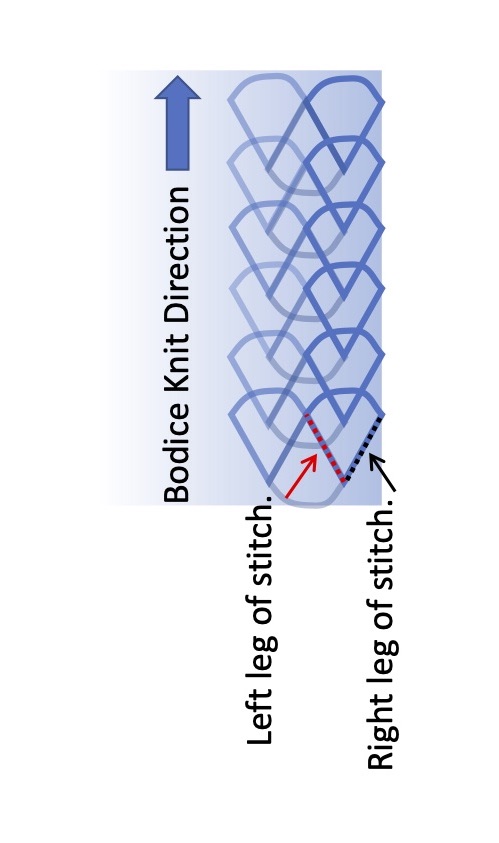
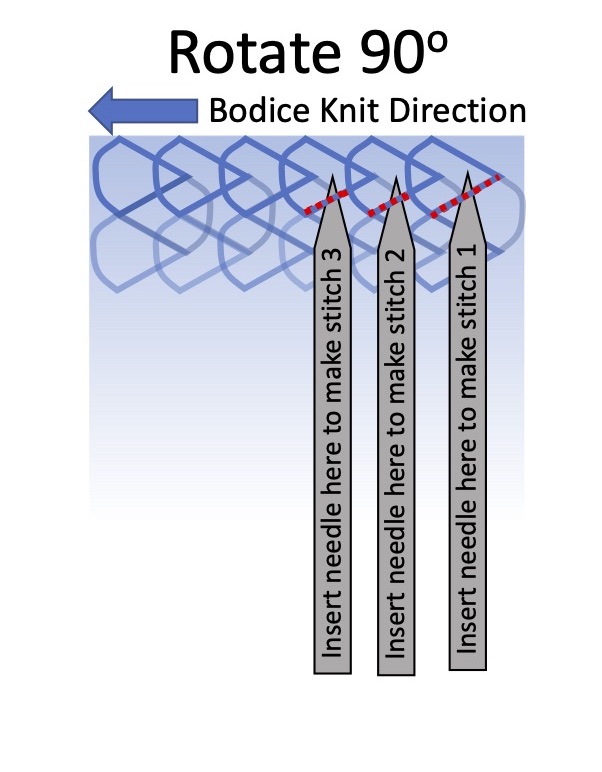
If your stitch gauge and row gauge are exactly the same (unlikely), you can pick up one stitch for every row. In all my years of knitting, I have never had this occur. So to prevent puckering of the bodice or distortion of the button band, you will likely have to skip some–but not too many–rows as you pick up stitches along the edge. If you pick up and knit too few stitches, the bodice will pucker. If you pick up and knit too many stitches the button band will be wavy with too much fabric. If you are using a ribbing stitch to form a flat button band, the gauge of ribbing will be different than the gauge of stockinette, and the button band will naturally compress at the outer edge.
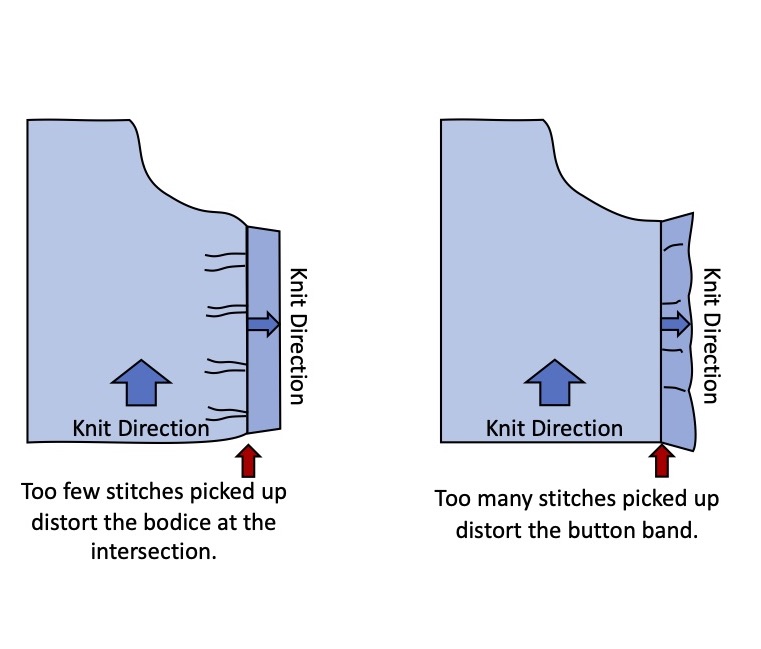
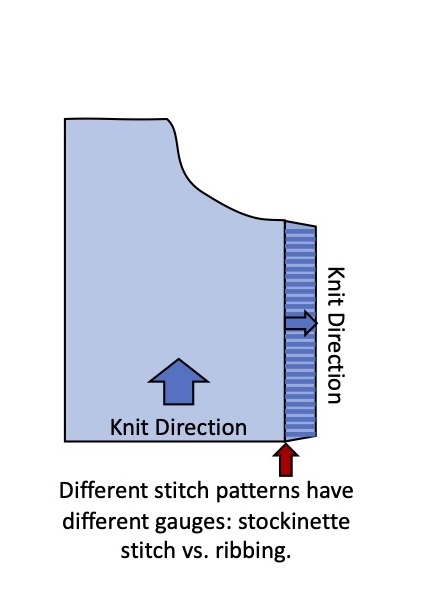
How Do I Know When to Skip a Row? A Good Place to Begin:
I use a couple of general rules when picking up stitches. They are listed below.
- To pick up along garter stitch, I pick up one stitch for every garter stitch ridge.
- To pick up along stockinette stitch, I pick up one stitch in every row for three rows, skip the fourth row, repeat along the edge. In other words, pick up 3/4 of the number of rows along the edge.
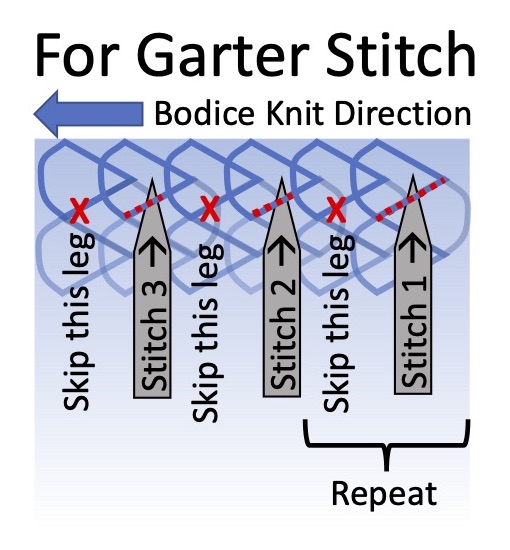
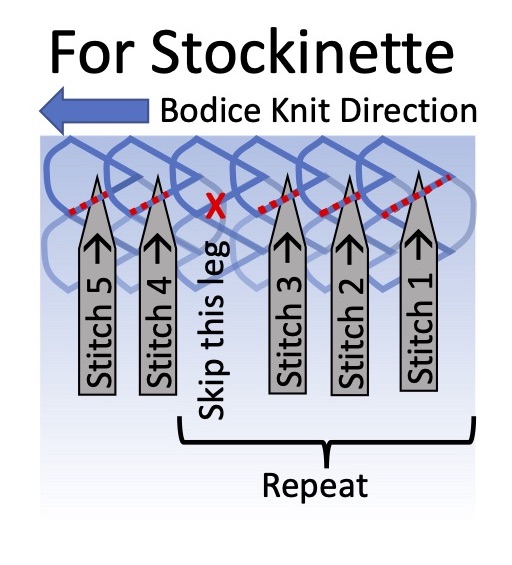
Sometimes my gauges are different enough from the 3/4 ratio that I need to calculate how many stitches to pick up. I’ve detailed below how to calculate the number of stitches to pick up, the number of skips, and where to place the skips.
Calculations
Strategy for calculating how many stitches to PUK and where to place them:
- Measure (or calculate using your row gauge) the length of the section where you will be picking up stitches.
- Calculate how many stitches to pick up using your stitch gauge.
- Calculate when/where to skip rows.
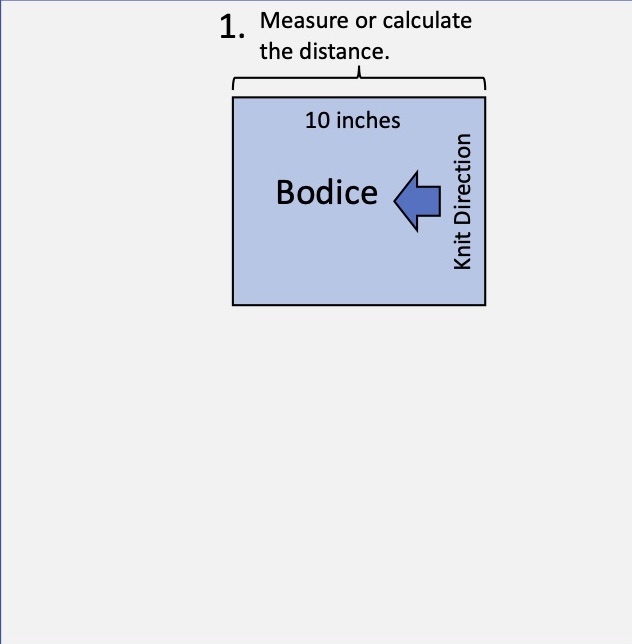
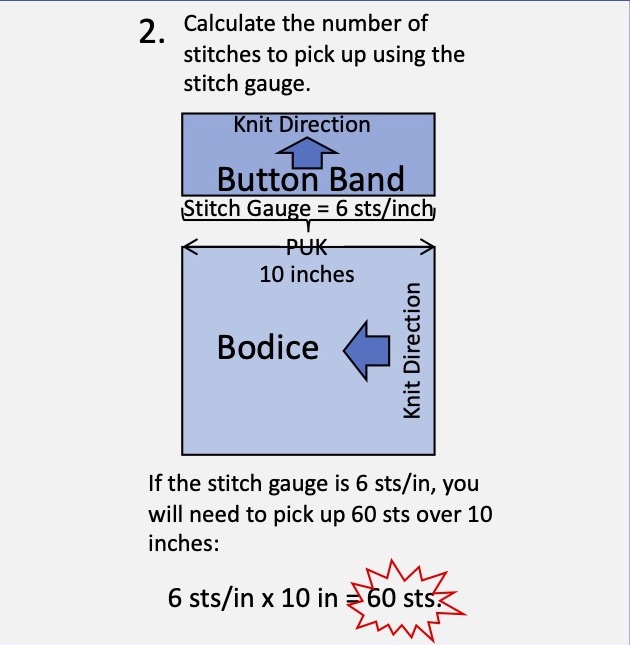

The Calculations for Step 3–Showing the work for determining the combination of skips.

Divide the numerator (85) by the denominator (25) and show the integer, disregard the decimal places. 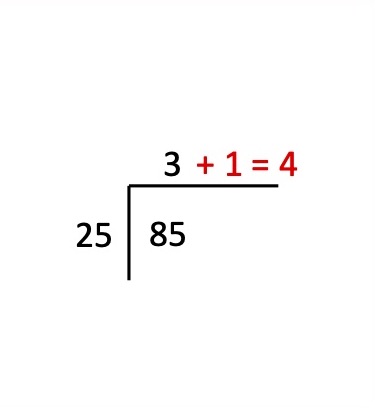
Add 1 to the integer. 
Multiply the integer and denominator, write below the numerator. 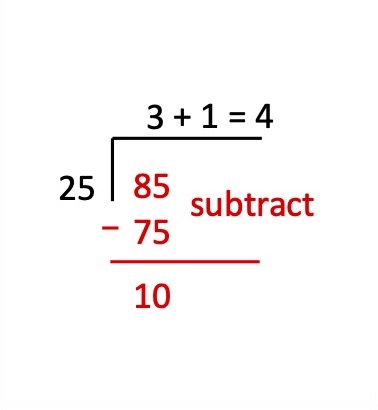
Subtract to obtain the remainder. 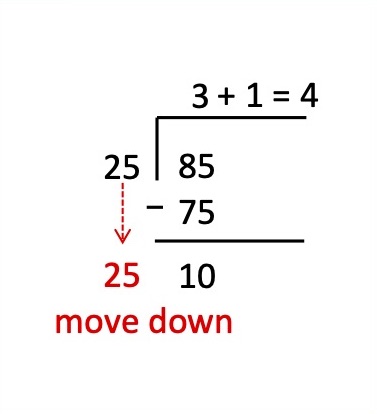
Transcribe the denominator down. 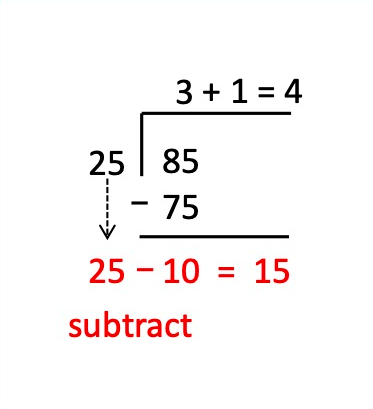
Subtract the remainder from the denominator. 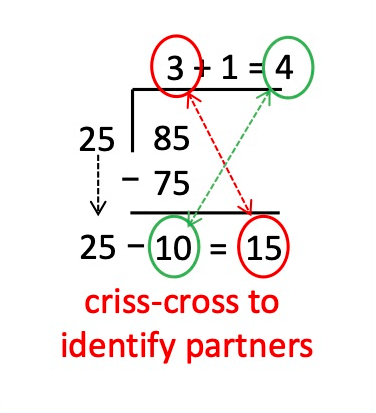
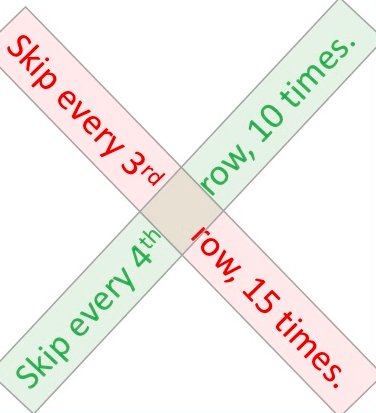
There are several ways to skip every 3rd row 15 times and every 4th row 10 times. To avoid puckering or wavy fabric, you should try to space these skips out evenly rather than grouping together. Perhaps something like this:
Repeat the skip pattern: [skip every 3rd row, 4th row, 3rd row, 4th row, 3rd row] a total of 5 times.
Or, repeat the skip pattern: [skip every 4th row, 3rd row, 3rd row, 3rd row, 4th row] a total of 5 times.
Be reassured that as long as you are close to the correct distribution of skips, it will look good!
 Yarn and Chocolate
I so admire your attention to detail and your clear instructions. You make what could be a challenging technique, easy to understand & complete. Thank you very much for the photos & captions. Outstanding!
LikeLiked by 1 person
Thanks!
LikeLike